Finding the Best Animal Clinic Near Me: Prairieville Animal Hospital Tips
Choosing an animal clinic is more than picking a name off a list. It’s about finding a partner in care for your pet, someone who understands the rhythms of your daily life, your budget, and your pet’s quirks. In Prairieville, the landscape of options can feel crowded, but a thoughtful approach makes the choice clear. This piece blends practical observations from years of visits, a few patient anecdotes, and an actionable framework you can apply this weekend as you evaluate clinics, staff, and the kind of care you want for your animal companion.
The first thing to know is that good clinics are defined less by neon signage and more by consistency. You notice it in the way the front desk staff greet you, in the calm pace of the exam room, and in the clarity of the after-visit instructions. It’s not about drama or flash; it’s about dependable, attentive care delivered with honesty. Prairieville Animal Hospital has earned attention in this regard through a combination of accessible preventive services, transparent pricing, and a willingness to work with families who have to stretch a dollar without compromising the animal’s well being. If you live near Prairieville, the decision often comes down to fit and reliability as much as to proximity.
The landscape around Prairieville is dotted with clinics that claim to understand your needs. What separates the strongest options from the rest is a blend of clinical competence, open communication, and the capacity to handle day-to-day realities. Think about your own routines: work hours, school schedules, weekend activities, seasonal shifts in pet behavior, and the possibility of boarding or travel needs. A clinic that respects those rhythms tends to make care easier to maintain over months and years, not just during a single appointment.
This article does not pretend to be a definitive guide to every surgical specialty or every exotic species. It is a field-tested framework for evaluating an animal clinic near you, with emphasis on preventive care, clear communication, and practical resource management. Beyond the obvious veterinary expertise, the best clinics fold in how they facilitate your life as a pet owner. They understand that care is an ongoing relationship, not a one-off event.
Where to start when you’re shopping for a new clinic
The moment you step into a clinic, you’re not just assessing equipment and credentials. You’re meeting a team that will influence your pet’s daily life in small and large ways. A strong clinic creates a quiet confidence that you and your animal are in good hands from the moment you walk in and through the recovery period after a procedure or vaccination.
When I assess a clinic in a practical sense, I watch for three things early on: the timeline and clarity of the intake process, the demeanor of the veterinary team, and the way they explain care options. You want to feel that your questions are welcome and that the answers are grounded in a real world context. For many families, preventive pet care is an anchor. It is where you build trust through regular, predictable visits that keep vaccinations up to date, monitor weight and dental health, and catch small problems before they become large ones. In Prairieville, clinics that invest in preventive care often translate to steadier, less stressful visits when urgent issues arise.
A prerequisite in this search is to consider the practical logistics. How easy is it to book an appointment, and what is the process for urgent or after-hours questions? Is there information available about the costs of routine services, and are there financial accommodations for routine preventive care or senior pet care? These questions matter because a clinic that is transparent about pricing and options often saves you anxiety in the long run. At Prairieville Animal Hospital, there is attention to preventive care that extends into senior pet care as well, with programs designed to monitor mobility, dental health, and chronic conditions that become more common with age.
The role of staff dynamics in your clinic choice
A clinic’s culture filters into every interaction your family has there. My own routine with a gentle, older dog taught me to value teams that can balance empathy with efficiency. The front desk staff set the tone the moment you arrive. If the line is long or the check-in process feels opaque, it can quickly turn an otherwise routine visit into a stress event for you and your pet. Good clinics minimize that friction by publishing clear procedures for check-in, wait times, and what to expect in the exam room. They also encourage questions without making you feel rushed.
The veterinarians themselves matter for more than their CVs. They bring practical judgment about what needs immediate attention versus what can wait for a scheduled appointment. In my experience, a clinic that invites you to be part of the decision making—sharing pros and cons of tests or treatment options and outlining probable outcomes—builds that trust that pays off when you face uncertain moments with your animal. The humane element is essential. It’s not just about eliminating pain or stopping a disease; it is about preserving the bond you share with your pet across years and milestones.
Services that matter most for a busy pet-owning family
A strong clinic near you should offer a broad but coherent spectrum of care. Preventive pet care is the backbone: vaccinations, routine exams, dental cleanings, parasite control, and obesity management. Regular checkups catch issues before they escalate, and dental health is often the unsung hero of long-term comfort and vitality. You want a team that will not only treat problems but also help you design a practical plan to keep your pet well between visits.
If you own a senior pet, or you anticipate that transition, the care model shifts. Senior pets often require more frequent monitoring for mobility, kidney function, arthritis, and cognitive changes. Clinics that have established senior pet care programs tend to provide additional support, such as nutrition consultations, tailored exercise plans, and accessible aftercare instructions. The best teams approach these concerns with a calm, methodical approach rather than a reactionary one, which helps pet parents feel empowered rather than overwhelmed.
Boarding and day care are practical considerations if you travel or work long hours. A clinic that offers boarding can be a meaningful convenience, especially when you are worried about care during travel or illness. It is worth asking about boarding policies, vaccination requirements, daily routines, feeding, and how the facility handles medical needs that arise while a pet is in their care. A good program is not merely about a clean kennel; it is about a staff that can recognize subtle signs of distress and respond with reassurance and timely veterinary input. If you are evaluating Prairieville Animal Hospital or a nearby facility for boarding, observe how the staff communicate with the animals and how you receive updates during your pet’s stay.
The practical reality of costs
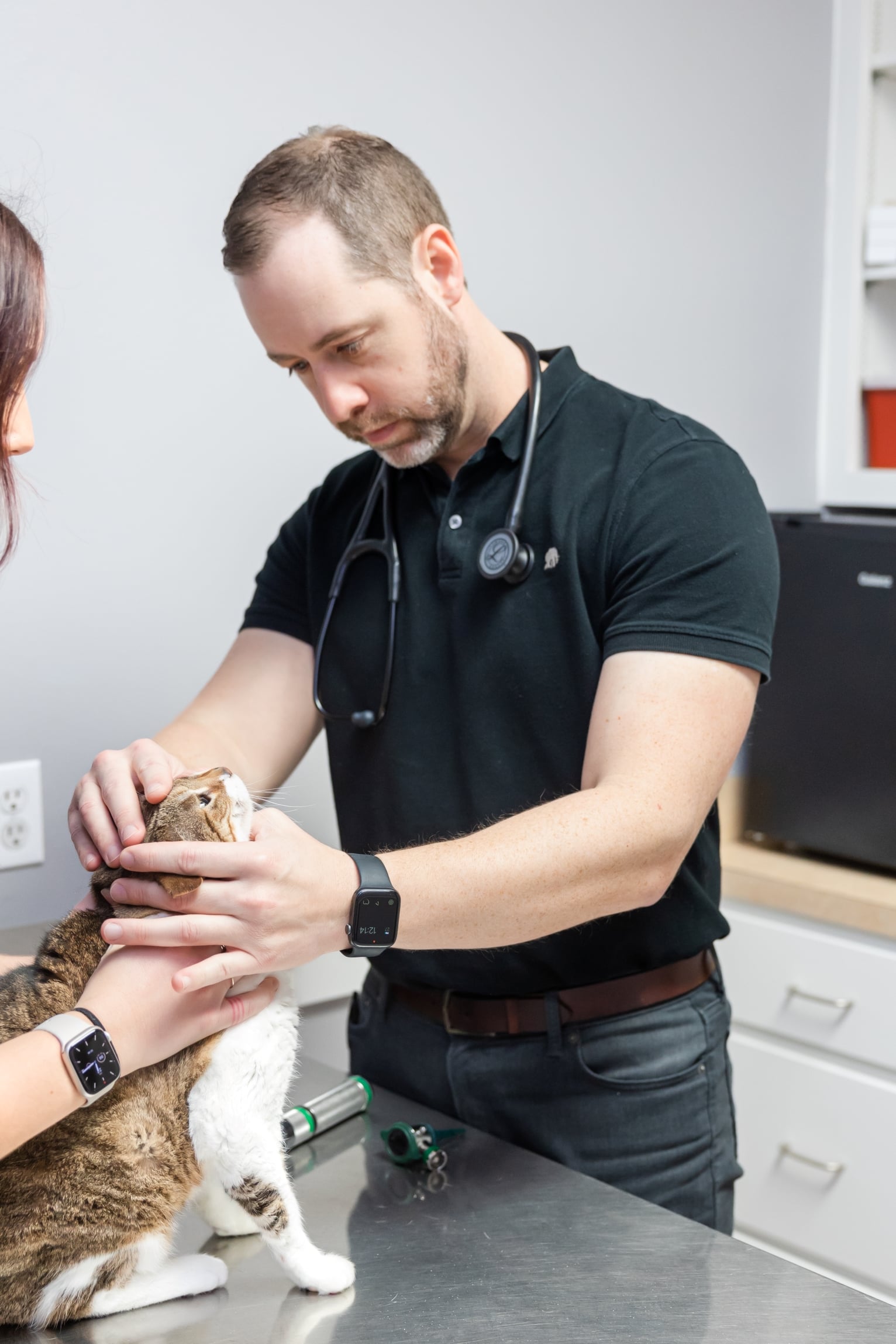
Budgeting for pet care is a daily reality for many families. Transparent pricing helps you plan ahead. If a clinic can break down standard costs for routine visits, vaccines, and dental work, it lowers the anxiety around the unknown. It is reasonable to ask about options for preventive care packages or senior pet care plans that bundle routine services at a predictable price. Some clinics also offer financing or payment plans for larger procedures, which can be a meaningful relief during stressful weeks.
When you think about affordable vet services, a balance often emerges between price and value. The cheaper option is not always the best deal if it means you are compromising on the quality of care or the availability of timely follow up. A well-rounded clinic will provide clear information about what is included in a given service, what might incur extra charges, and how they handle emergencies that require more intensive intervention. The practical outcome you want is straightforward: you should feel confident that your pet is getting the necessary care without needless expenses, and you should understand why certain choices are recommended.
A note on communication and aftercare
Aftercare falls into two buckets: clinical outcomes and how you, the owner, implement care at home. You want a clinic that follows up when a procedure is performed, offering simple, actionable explanations of how to monitor your pet, when to call for a recheck, and what signs warrant urgent attention. Clear discharge instructions, written or printed, make a tangible difference. Some clinics also provide digital resources or patient portals that allow you to review notes, vaccination records, and upcoming appointment reminders. When you can access your pet’s health history with ease, you can make better decisions in real time, which again reduces stress and helps sustain the routine.
What to observe on a first visit
The first visit often sets the tone for the relationship. You should notice several things without having to overanalyze: a clean, organized space; a calm, unhurried pace in the exam rooms; and staff who listen as you describe your pet’s behavior, routines, and any concerns. A good clinician will translate what you tell them into a plan that marries medical sense with your life constraints. They should be respectful of the pet’s comfort, using gradual introductions to vaccination or dental procedures and offering alternatives when appropriate. The first impression is not about a single decision but about a pattern you want to see continue over the next months.
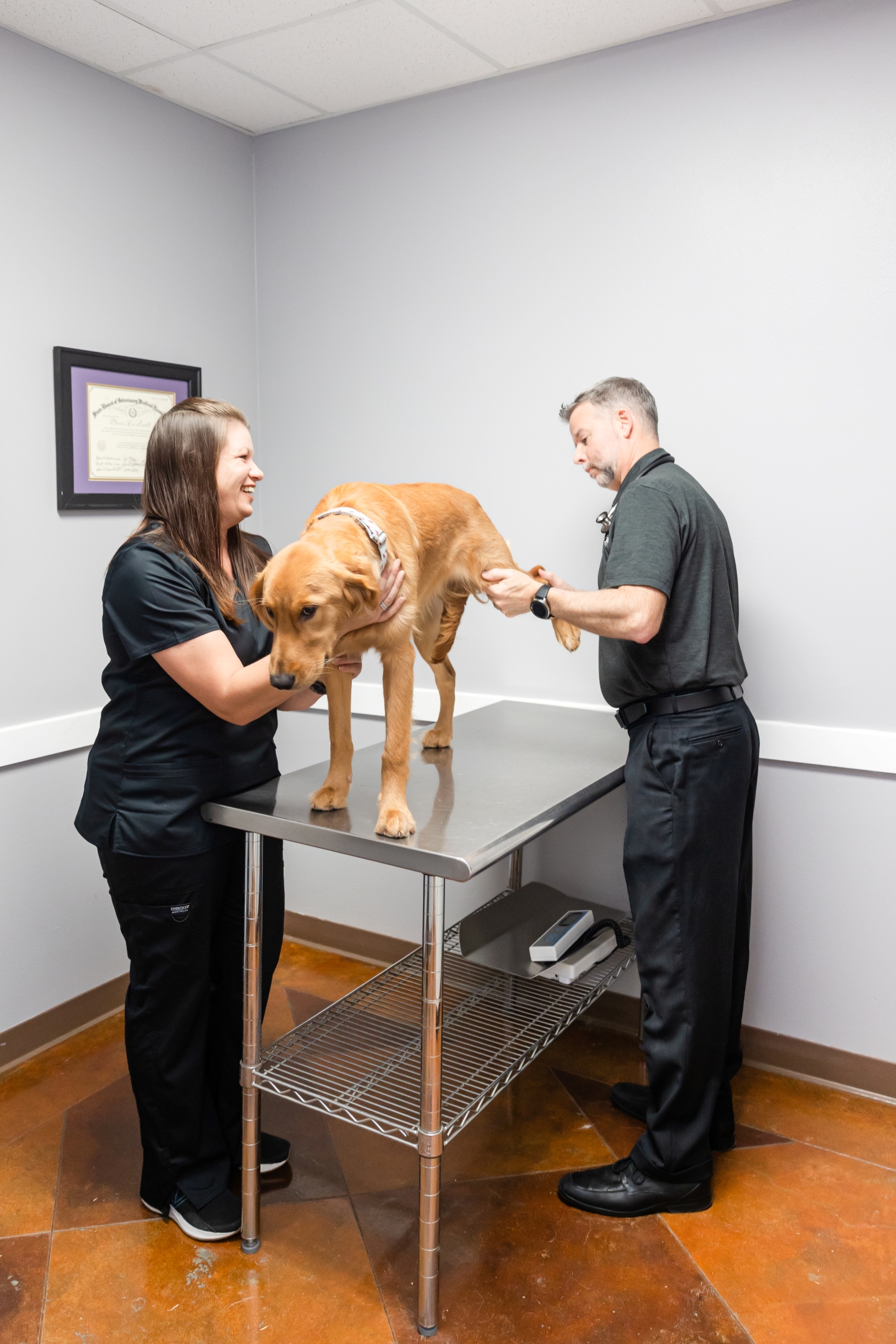
Diligence in record-keeping matters. A clinic worth your attention maintains complete, legible medical records, tracks vaccines, and documents allergies or prior reactions to medications. If you notice gaps in information, or you’re handed a quick, generic answer to a complex question, that is a signal to pause and ask for more detail. You deserve a clear explanation of what is being recommended, why it is needed at this time, and what the expected outcome is.
A pragmatic example from the field helps illuminate how these choices play out in real life. A family I know recently faced a routine dental cleaning for a middle-aged terrier. The clinic provided a step-by-step explanation of anesthesia safety, the importance of dental health for overall well being, and a straightforward plan for home care after the procedure. They offered a roughly estimated range for pre-anesthesia testing, explained the risks and benefits with transparency, and followed up with a short, practical summary the next day. The day after, the dog slept comfortably, the family felt informed, and the clinic demonstrated a level of accountability that builds trust. It is not about flashy promises; it is about doing the consistent, careful work that matters for daily life.
Evaluating a clinic using a concrete framework
To make the decision less about vibes and more about outcomes, you can apply a simple framework during a visit or a tour. Observe how they handle new client intake, how efficiently they manage a busy day while keeping the animal calm, and how they discuss care strategies with you. Listen for specificity when they describe vaccines, typical timelines, and the signs of common problems. Concrete numbers matter here: vaccine schedules, expected recovery times after routine procedures, and the frequency with which you should expect a recheck after a minor procedure. A clinic that speaks in generalities is not necessarily a bad place, but you want a practitioner who can anchor recommendations in your pet’s actual circumstances.
The human side of veterinary care should stay in view. You want a practice that understands the emotional texture of caregiving—how you balance anxiety, budget constraints, and the occasional fear your pet will endure something untoward. The best teams acknowledge this without inflating risk or playing into fear. They provide steady, supportive information that helps people feel capable of acting on good advice, even when the news is not perfect.
Five questions you should consider asking when evaluating an clinic
- How do you schedule preventive care visits, and what is the recommended frequency for my pet’s age and risk factors?
- What are the typical costs for routine services, and do you offer any preventive care packages or senior pet care plans?
- How do you handle urgent problems after hours, and what does the triage process look like on evenings and weekends?
- Can you walk me through your anesthesia safety practices for routine procedures, and what preoperative testing do you require for a middle-aged pet?
- How do you communicate a diagnosis, treatment options, and expected outcomes in a way that I can act on at home?
These questions are not a checklist to memorize; they are a framework that helps you compare clinics in a meaningful, apples-to-apples way. You might find that Prairieville Animal Hospital helps illuminate additional questions tailored to your pet’s specific needs, and that is exactly the point of this exercise. A clinic that takes time with these inquiries is signaling that it values patient outcomes and family clarity as much as it values the science behind the medicine.
Five signs a clinic is a good fit for your family
- They publish clear, upfront information about routine costs and available care plans.
- They routinely schedule preventive care and offer reminders that fit your calendar.
- They demonstrate a calm, competent approach in the exam room and are willing to involve you in decisions.
- They have a transparent policy on aftercare, follow up, and how they handle emergencies.
- They show respect for your time, your pet’s comfort, and your budget without compromising the standard of care.
An invitation to consider Prairieville Animal Hospital
If you live in Prairieville or nearby, you have the advantage of a clinic that understands the practicalities of family life. The focus on preventive care, the attention to senior pet needs, and the accessible approach to common concerns contribute to a sense of continuity. The clinicians and support staff you encounter will likely be the same faces you see for annual vaccines, dental cleanings, or an occasional urgent visit. That continuity matters when you want your questions answered without reinventing the wheel each time.
In this sense, the choice is not only about a single visit or a single treatment. It is about aligning your daily life with a care model that respects both your pet and your responsibilities as a caregiver. The best clinics make that alignment feel almost effortless, which is a rare, valuable outcome in veterinary medicine.
A practical path forward
If you are in the Prairieville area, begin with a straightforward plan. First, list your top priorities for preventive care and any special needs your pet has, such as dietary considerations, mobility support, or dental concerns. Second, contact a couple of clinics to gauge responsiveness and the clarity of their emergency vet prairieville initial guidance. Third, schedule a short introductory visit to observe the workflow, talk with a clinician, and get a sense of how they communicate. Finally, revisit your notes after a week and reflect on which clinic best matches the rhythm of your life and the temperament of your pet.
The journey of finding the right clinic is iterative. Your pet’s health evolves, and so do your family’s needs. A clinic that stays adaptable, that communicates with honesty and practicality, while maintaining a steady commitment to preventive care, is the clinic you want riding alongside you through the years. In that context, Prairieville Animal Hospital represents a thoughtful option worth considering for families seeking reliable, compassionate care that respects both budget and well-being.
A closing note on the nuance of care
Care is rarely a single decision. It is a sequence of small, intentional choices, made over time, that builds a more predictable and more humane experience for your pet. The clinics that succeed in this space are the ones that accept the challenge of doing the ordinary well day after day. When you walk out of a clinic after a routine vaccine or a routine wellness exam, you should feel a sense of reassurance rather than residue anxiety. That is the practical benchmark of a clinic that earns a place in your life.
If you happen to be evaluating Prairieville Animal Hospital as your next stop, give yourself permission to measure not just the medical outcomes but the emotional texture of the care you receive. After all, aging pets, recovering from procedures, and negotiating behavior changes are as much about trust as they are about science. The best clinics recognize that and respond with steadiness, clarity, and a quiet confidence that keeps you and your animal moving forward together.