Prairieville Animal Hospital: Trusted Vet Near Me for Emergencies
The day a pet falls ill or injures itself can feel urgent in ways that silence the rest of the world. At Prairieville Animal Hospital, we know the rhythm of those moments—the tremor in a dog’s breath, the sudden stumble of a cat that has always leaped with grace, the quiet panic that settles in a household when a pet suddenly won’t eat. Our approach blends practical, field-tested care with the steady reassurance that comes from years of hands-on work in a busy animal clinic near me. This is not about dramatic shortcuts or abstract promises; it is about reliable care that respects the patient and the owner, delivered with a calm, informed voice.
What we bring to emergency moments is a blend of readiness and restraint. Emergency care is a discipline that requires rapid assessment, clear communication, and a willingness to adapt as the situation unfolds. Our team trains to triage quickly, to identify life threatening conditions, and to initiate stabilization with a balance of speed and gentleness. For many pet owners, the first contact after a crisis is not the moment of the incident but the moment they connect with a trusted clinic near Prairieville. That trust is built through a history of dependable service, transparent explanations, and a willingness to stand with you through the toughest hours.
In this piece, I’ll share practical insights drawn from years of work at a busy animal hospital, including how we handle emergencies, what owners can expect, and how preventive care fits into a broader strategy for pet health. The goal is to offer useful, concrete guidance that respects the realities of a real clinic—where staffing, bed capacity, and the variability of each case matter as much as the clinical science behind the treatment.
Understanding emergencies means understanding the signals. Some conditions arrive with dramatic presentation: a cat that suddenly stops breathing, a dog that collapses after a run in the heat, a pet with a severe trauma from a fall or an accident. Other emergencies are subtler yet equally urgent: persistent vomiting with a drooling mouth, relentless diarrhea over more than a day without improvement, a pet that becomes increasingly lethargic or disoriented. In our experience the most important moment is the interval between the first sign and the decision to seek care. Waiting can change a manageable issue into a much more complex one. The general rule is simple: when in doubt, err on the side of evaluation. If your pet shows a combination of distressing signs—labored breathing, pale gums, unresponsiveness, a severe wound, or any sudden change in behavior that doesn’t normalize after a few hours—do not hesitate to reach out for urgent assistance.
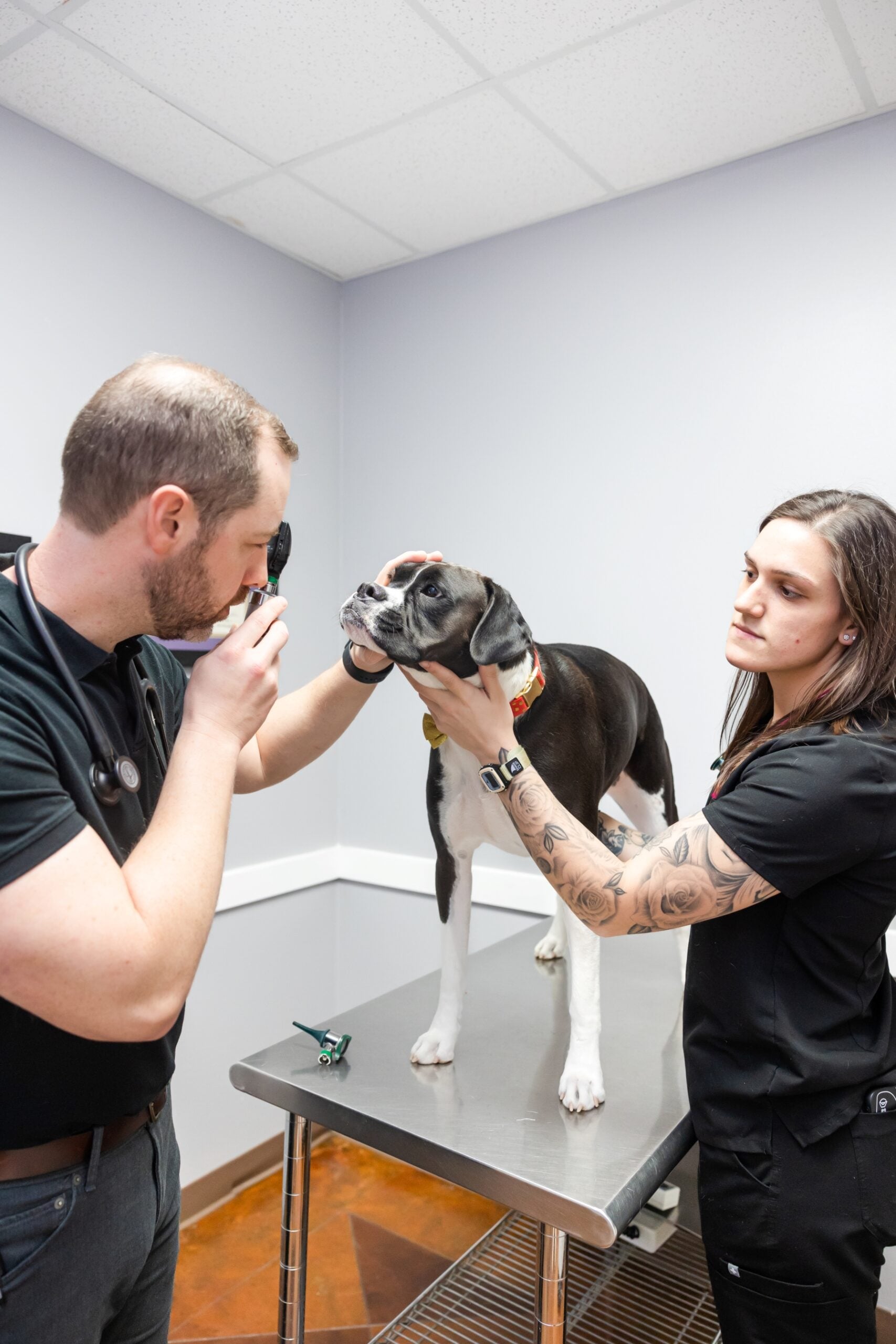
The clinic near me is not just a place to treat injuries; it is a hub for rapid decision making, pain management, and clear patient observation. Our staff coordinates across disciplines, turning a chaotic moment into an organized plan. Intra-clinic teamwork matters. A typical emergency workflow might begin with triage in the front lobby, a quick check of vitals, and then a bedside assessment by a veterinarian. From there we decide whether the issue requires on the spot stabilization, immediate imaging, a surgical consult, or close monitoring over a few hours. At Prairieville Animal Hospital we aim to stabilize first and explain second, because a frightened owner benefits from knowing what is happening even as the clinical care unfolds.
One of the core challenges in urgent situations is uncertainty. A dog with a brutal limp could have a simple sprain or a broken bone; a cat with drooling and pawing at the mouth might be dealing with a dangerous toxin or a dental catastrophe. Our job is to balance speed with caution: to act decisively when necessary, while not rushing to invasive interventions without good reason. That is where experience matters. Our team brings a wide range of cases into focus under pressure, recognizing patterns that may not be obvious to the casual observer. This is not about cinematic drama; it is about steady, patient evaluation, precise diagnostics, and a plan you can follow after you leave the clinic.
In practice, you should expect a few consistent elements if you come in during an emergency. First, triage will determine the urgency and which tests should be prioritized. Blood work, imaging, and sometimes ultrasound are common tools, chosen based on the presentation. Second, pain management is addressed early. Even when the primary issue is not immediately life threatening, unmanaged pain can worsen outcomes by increasing stress responses and complicating assessment. Third, communication is ongoing. We keep owners informed about what we know, what we suspect, and what we plan to do next. Finally, a discharge or transfer plan is provided as soon as the patient is stable enough, with clear instructions for home care, follow-up appointments, and red flags that would warrant a return visit.
The patient experience matters, even in emergencies. We work to minimize fear for frightened pets and anxious owners alike. That means quiet rooms if possible, gentle handling, and clear explanations about every step of the process. It also means honoring the space and pace that each owner needs. Some families want a straight, technical rundown; others need more time to absorb information and ask questions. Our role is to adapt, to respect that range, and to maintain that high standard of care across every case.
Beyond the immediate crisis, there is the question of how to prepare for an emergency in a practical, constructive way. Preparation reduces the chaos and makes the right decisions more likely when seconds count. I have learned over years that the most effective preparation is rooted in a few simple habits. Keep your pet’s information accessible: a current vaccination record, known allergies, medications, chronic conditions, and a photo in case your pet becomes disoriented during a crisis. Have a plan with your family about who handles transportation, what to say to the veterinary staff, and what your pet’s typical signs of distress look like. When you call Prairieville Animal Hospital during an emergency, the more details you provide, the quicker we can triage and direct care.
The other piece of preparation is understanding what constitutes an emergency versus a non emergency scenario. This distinction matters because it affects timing and the expectations you set with your family. A minor lameness that improves with rest over 24 to 48 hours is usually not an emergency, but a sudden inability to bear weight, a limb that looks deformed, or a cat that has collapsed requires immediate evaluation. Digestive issues that resolve within a day or two are often manageable with home care guided by a clinician, though warning signs like repeated vomiting, persistent lethargy, or blood in stool cannot be ignored. If you are unsure, call our clinic near Prairieville first. We can help you decide whether to come in or to monitor at home under specific instructions.
Delivering care in an animal hospital near me demands more than clinical know-how. It requires an ability to set expectations realistically. We tell clients what is feasible within the present conditions, what can be achieved with time and rest, and what steps will be necessary if the situation does not improve as hoped. This transparent approach reduces anxiety on both sides. When I explain a plan to a worried owner, I aim for clarity without euphemisms, for honesty without harshness. It is a balance that comes from trading stories with clients who have been there before, from listening to the dogs and cats that pass through our doors, and from learning what families need most in those high tension hours.
The role of preventive care cannot be overstated, even when emergencies dominate the conversation. Preventive pet care is not merely about vaccines and annual exams. It is a philosophy of staying ahead of problems, of catching disease at a stage where intervention is more effective and less costly. In a busy small animal practice, preventive care acts as a safety net, reducing the likelihood that a patient will present in crisis and lowering the chances of a rushed, uncertain diagnosis. The emphasis is on routine blood work as pets age, dental care to prevent painful infections, weight management to spare joints, and early screening for chronic conditions that tend to wear down animals gradually. A practical preventive program for most households includes regular wellness checks, age appropriate vaccines, parasite control, and dental maintenance. Each part of this program reduces the risk of emergencies and creates more predictable health trajectories for pets.
To make preventive care work, I have found it helpful to connect the dots for owners. It is not enough to say that dental disease or obesity is bad for a pet. It helps to show the tangible benefits of preventive care: longer life expectancy, improved energy, reduced risk of anesthesia during necessary procedures, and fewer episodes of acute illness that might otherwise require urgent veterinary interventions. At Prairieville Animal Hospital we tailor preventive strategies to the individual needs of each animal. A senior dog with osteoarthritis benefits from a specialized weight management plan and a targeted exercise routine that preserves mobility and quality of life. A middle aged cat with early kidney changes might need dietary adjustments and closer monitoring of hydration and urine output. The goal is to partner with owners, to translate veterinary science into practical, actionable steps that fit the home environment and the family’s routines.
In practice, preventive care has a measurable impact. Consider a scenario where a senior dog begins a year with constant stiff joints and a later finding shows gradual improvement after implementing a weight loss plan, a structured low impact exercise routine, and regular dental cleanings. Across several cases, the arithmetic is clear: even modest changes in diet and activity can reduce the progression of degenerative disease, decrease the frequency of emergency visits, and improve overall vitality. The reward is not only a longer life, but a better and more comfortable life for the pet and a more confident, informed experience for the owner.
The emotional dimension of emergencies is often overlooked. When a pet is ill or injured, families go through a spectrum of feelings: fear, guilt, frustration, relief, and renewed resolve. In these moments the veterinary team steps in as a stabilizing force, offering a steady hand and a clear plan. It is not about erasing fear but about channeling it into productive action. We hear owners reassure themselves by asking questions that matter: What went wrong? How long will recovery take? What changes are necessary to prevent a recurrence? Providing answers, while acknowledging uncertainty, builds a relationship that helps families navigate the road ahead. Even the smallest acts of reassurance—gentle pet handling, transparent updates, and tangible next steps—can transform a scary moment into a shared, manageable process.
Emergency readiness also extends beyond the exam room. The clinic environment must be prepared for a surge in cases, with contingency plans for staffing, supply, and space. We maintain a ready inventory of critical medications, readily accessible oxygen and monitoring equipment, and a workflow that keeps the most critical patients prioritized. In the real world, this means flexible scheduling, cross training among technicians, and a culture of calm that permeates the halls. It also means recognizing when a case is beyond the clinic’s capacity and coordinating with a larger hospital for specialist care or surgical intervention. The goal is not to hoard capability, but to ensure that when the moment comes, the care is timely, coordinated, and comprehensive.
For families seeking out emergency care, a few practical decisions can make a meaningful difference. First, identify a clinic near me that you trust and keep the number readily accessible. The first phone call often determines the initial triage and the direction of care. Second, have a basic emergency plan that covers transport and a short list of must-have information, such as medications, allergies, and recent eating or drinking patterns. Third, never drive through a high traffic scenario with an ailing pet if you can delay the trip and call for advice. In a true crisis, a direct, rapid response is essential, but in many cases, pausing to confirm instructions with the clinic can prevent missteps. Fourth, bring your pet’s medical animal hospital near me history if possible. A quick rundown of prior illnesses, surgeries, and chronic conditions can shave precious minutes off a critical assessment. Finally, trust the veterinarians and the team. We are there to help you, and a calm, collaborative approach often yields the most favorable outcome.
The responsibility of pet ownership intersects with the realities of veterinary practice. Emergencies demand more than medical knowledge; they require the hard earned judgment that comes from hundreds of similar calls, each with its own twist. In our clinic near Prairieville, we see daily how small decisions can compound into significant health outcomes. A wound treated promptly with proper cleaning and suturing, a dehydration case countered by careful fluid therapy, a poisoning scenario managed with rapid decontamination and supportive care—these are the lines where daily practice meets real life. Our clients learn that veterinary medicine is not about dramatic miracles but about steady, informed, patient-centered care. It is about balancing the science of medicine with the art of listening to a frightened owner and comforting a pet in distress.
The following two lists outline practical, actionable steps for pet parents. They are designed to fit the realities of a busy household while offering a clear guide for what to do when emergencies arise.
-
When to seek emergency care
-
Sudden difficulty breathing or persistent coughing that does not improve with rest
-
Collapse, seizures, severe trauma, or inability to stand
-
Persistent vomiting or diarrhea with signs of dehydration
-
Bleeding that cannot be controlled with gentle pressure
-
Icterus or a grey, blue, or pale tongue color indicating potential shock or systemic illness
-
What to bring to the clinic during an emergency
-
A short medical history, including known allergies and current medications
-
A list of previous surgeries or chronic conditions
-
A favorite blanket or toy to reduce stress and help the staff track movement
-
Any medications the pet is currently taking, including dosages and timing
-
Quick access to vaccination records or a recent health certificate if available
A second, longer list is occasionally useful for planning and prevention. This set focuses on the routine but essential aspects of maintaining readiness for emergencies and supporting ongoing health.
-
Elements of a preventive care plan
-
Regular wellness exams aligned with the pet’s age and risk factors
-
Core vaccines tailored to lifestyle and exposure risks
-
Parasite prevention including heartworm, fleas, and intestinal worms
-
Dental care strategies with at home brushing routines and professional cleanings
-
Nutritional assessment and a tailored exercise plan to maintain healthy weight
-
How to talk through a veterinary visit after an emergency
-
Request a clear summary of findings, tests performed, and their meanings
-
Ask about the expected trajectory and when to return for follow up
-
Confirm home care steps, dosing schedules, and warning signs that require another visit
-
Inquire about cost range and available payment options in case of unexpected expenses
-
Schedule the next visit before leaving to ensure continuity of care
The idea of an emergency call is to convert fear into a navigable plan. The initial hours after a crisis are about stabilization and information, followed by a careful transition to ongoing care. A clear handoff to the owner helps sustain improvement outside the clinic. When a pet is stable enough for discharge, the veterinary team provides written instructions. This may include wound care, vaccination updates, medication administration, and a schedule for recheck appointments. The owner leaves with a precise map for the next several days, a sense of what to monitor, and the confidence that a trusted veterinary partner is available if the situation changes.
What makes Prairieville Animal Hospital a reliable option for emergencies is the integration of emergency care with preventive care. The two strands reinforce one another. When preventive care is consistent, cats and dogs encounter fewer emergencies because chronic conditions are identified and managed earlier. The emergency department benefits from the same culture: a diagnostic mindset, attention to detail, and a commitment to outcome. The team operates with a shared understanding of how urgent care fits into the bigger picture of animal health. That clarity translates to more thoughtful conversations with owners, less confusion during a tense moment, and more realistic expectations about what is possible in the short term and the long term.
There is also a practical reality behind every exam room door: budget and resource constraints shape what can be offered at any given hour. We do not pretend that every emergency has a perfect outcome or that every owner can absorb every cost that might arise in a crisis. What we do offer is transparency—about what tests are needed, why they matter, and how the results will guide the next steps. We share rough timelines and plausible scenarios, allowing families to make informed decisions under pressure. In the end, the goal remains constant: to maximize the pet’s chances of recovery while respecting the owner’s circumstances and goals.
Over the years, I have learned that the most meaningful measure of success in emergencies is not the number of life saving miracles but the number of families who feel supported when the unthinkable happens. It is the quiet reassurance of a voice that explains what is happening in real time, the careful attention given to a frightened animal, and the practical steps that help a pet move from crisis toward recovery. It is the moments of relief when the owner returns to the clinic for a follow up, reporting that the pet is eating again, walking normally, or simply waking up with a renewed sense of curiosity.
To close, consider this: emergencies are a shared responsibility. Pet owners bring the lives and comforts of their companions to the clinic; veterinarians bring training, equipment, and a plan for action. Prairieville Animal Hospital aims to honor that partnership every day, especially in moments of crisis. For families in and around Prairieville, this means access to a clinic that is not only capable but also attuned to the emotional texture of veterinary emergencies. It means a place where you can count on a calm, capable response, where the plan is clear, and where the patient remains at the center of every decision. It is not about the flash of a single intervention, but about the steady accumulation of competent care, measured results, and lasting trust built one patient at a time.