Prairieville Animal Hospital Veterinarians: Pet Vaccination Safety Tips
Vaccinations are the backbone of preventive care for companion animals. They shield dogs and cats from a range of serious, sometimes deadly, diseases. At Prairieville Animal Hospital, our veterinarians bring years of hands-on experience to every vaccination plan. The goal is not only to protect individual pets but to contribute to community health by sustaining high immunization rates. The nuance comes from appreciating that safety is a shared responsibility. The pet, the caregiver, and the clinic all play a part in making vaccination a calm, predictable, and effective part of life with a furry family member.
Understanding how vaccines work helps frame safety discussions. Most vaccines stimulate a controlled immune response that trains the immune system to recognize a specific pathogen. A small amount of antigen or a weakened form of a virus or bacterium is introduced. The immune system responds by creating antibodies and memory cells. If the animal later encounters the real disease, the immune system can respond rapidly, reducing the chance of illness or its severity. In practice, vaccines are rigorously tested before they are approved, and clinics like Prairieville Animal Hospital follow strict guidelines for storage, handling, and administration. Yet no medical intervention is entirely without risk. The objective is to minimize risk while maximizing protection.
The decision around vaccination can feel nuanced, especially for animals with special medical histories. Our veterinarians talk with you about lifestyle, age, prior health events, travel plans, and exposure to other animals. The aim is to tailor a plan that aligns with your pet’s unique needs while preserving safety. In this piece, you’ll find concrete considerations, practical tips, and real-word experiences from the exam room to the waiting area. We’ll cover what to expect during a visit, flags to watch after vaccination, how reactions are managed, and how to talk through scheduling with your Prairieville Animal Hospital veterinarian.
Preparing for a vaccine visit
The day to day reality of vaccination involves more than a syringe and a label. It begins with a quick, thoughtful assessment. A typical vaccine visit at Prairieville Animal Hospital includes a physical exam, a review of the pet’s medical history, and a clear plan that fits the family’s routine. Most dogs and cats tolerate vaccines well, especially when the animal is calm and handling is gentle. A cornerstone of safety is the environment. Clean rooms, trained staff, and careful vaccine handling reduce the chances of contamination or dosing errors. The team pays close attention to the correct vaccine for the correct species and the appropriate age for administration.
Timing is everything. Puppies and kittens usually begin vaccination at eight weeks of age, with a series of boosters that build lasting immunity. For adult animals with an uncertain vaccination history, we may opt for a re-boosting schedule or a titer test to assess existing immunity. The goal is to avoid under-vaccination while not overexposing an animal to unnecessary injections. For animals with chronic conditions or on certain medications, we adjust the plan. That adjustment is a practical reminder that even vaccines require a personalized approach, not a one-size-fits-all protocol.
On the day of the appointment, comfort matters as much as accuracy. Many owners appreciate arriving with a calm pet, a carrier or leash, and a plan for post-visit rest. If your pet is anxious, consider bringing familiar bedding or a favorite toy to help create a sense of safety in the examination room. The clinic’s staff is trained to move at a pace that respects the animal’s temperament. A short, controlled handling session often reduces stress and helps the vaccine go in smoothly without requiring repeated handling.
The choice of vaccines is another piece of the safety puzzle. Core vaccines protect against diseases with high risk and wide prevalence in the public or species, while non-core vaccines address specific risk factors like geography, travel, or exposure. Privately, I have seen pet owners benefit from a prairievilleanimalhospital.com well explained plan that prioritizes core vaccines early in life and then adds non-core vaccines as real-world risk dictates. This approach keeps unnecessary exposure to the minimum while preserving robust protection.
Now and again, a specific concern bubbles up. Some families worry about the number of shots or the potential for reactions. It helps to separate myth from fact. Most adverse events are mild and transient, such as a little temporary soreness at the injection site, a mild fever, or brief lethargy. Severe reactions are rare, but they can occur, which is why clinics like Prairieville Animal Hospital keep emergency protocols ready. Successful vaccination depends on a combination of correct product storage, proper administration technique, and appropriate monitoring.
What to expect during the visit
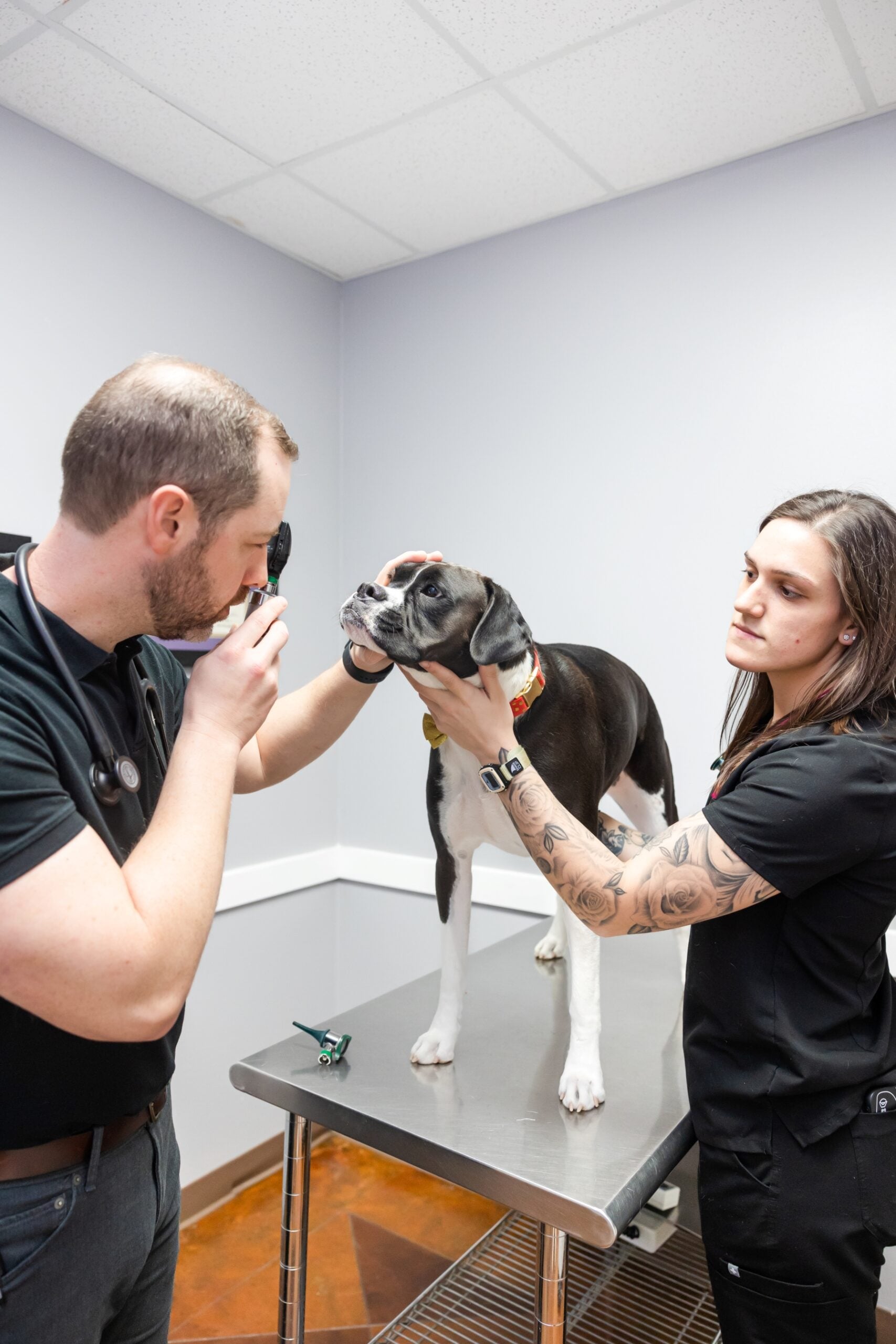
When a client walk-ins, it’s common to see a short, structured process. The first moment is often a calm assessment of the animal’s demeanor. A healthy dog might wag a tail, though a nervous dog might tuck and keep a quiet stare. A cat might be purring or it might be braced for transport in the carrier. Either way, the staff will greet the animal with a gentle voice and a slow, predictable rhythm. The physical exam that accompanies vaccination is quick but thorough. The veterinarian checks eyes, ears, mouth, heart, and lungs, then reviews vaccination history and any recent illnesses or medications.
The injection itself is usually a brief moment. In dogs, vaccines may be given intramuscularly in the thigh or shoulder, depending on the product and the veterinarian’s judgment. In cats, injections are often given under the skin or sometimes intramuscularly, again tailored to the vaccine type. Some vaccines are given alongside a microchip implant for identification, while others are administered in separate visits. If your pet tolerates it, you’ll often see a quick reward afterward—praise, a treat, or some quiet bonding time with you. The aim is to end the visit with a sense of safety and trust rather than fear or stress.
Aftercare and observation are fair to expect. The veterinary team will typically observe a short post-vaccination period in the clinic to monitor for immediate reactions. In most cases, any reaction appears within minutes to a few hours after vaccination. The pet may limp briefly, seem tired, or show a mild swelling at the injection site. In rare instances, more noticeable reactions occur. Your Prairieville Animal Hospital veterinarian will brief you on what constitutes a true concern and when to seek urgent care. This is not about alarm but about clear, actionable guidance. A calm walk home, a comfortable space to rest, and access to water are sensible post-visit arrangements.
Common questions and practical realities
One frequent question is about vaccine timing in puppies and kittens. The standard series generally runs from eight weeks with boosters at intervals of two to four weeks until the animal reaches about 16 weeks. After that, annual or triannual boosters are often recommended depending on the vaccine and risk level. The exact cadence can differ by product and by the animal’s lifestyle, so your veterinarian will lay out a plan that fits your schedule and your pet’s needs. The key is to adhere to the timetable as closely as possible while staying flexible for health events, travel, or procedural delays.
Another practical area involves vaccines for animals with existing health issues. A dog with a mild chronic condition or a cat on regulated medications does not automatically become ineligible for vaccination. Some conditions may require a pause or a modified approach. For example, an animal with a recent febrile illness might need to recover fully before vaccines are given. Immunocompromised animals require careful planning because their immune systems may respond differently. In all cases, the veterinarian weighs benefits and risks, then crafts a plan that keeps protection high while minimizing potential stress or adverse effects.
Travel and boarding add layers of consideration. If you plan to travel with your pet or use a boarding facility, knowing which vaccines are required or recommended can prevent last minute scrambles. Veterinary teams at Prairieville Animal Hospital often coordinate with local facilities to ensure your pet’s records and vaccination status align with boarding or travel guidelines. This coordination is not merely administrative; it helps reduce the chance of vaccination gaps that could compromise protection or delay a trip.
Adverse events: what to know and how they are managed
Recognizing that vaccines are medical products helps frame expectations. Most reactions are mild and transient, such as soreness at the injection site or a low-grade fever that resolves within 24 to 48 hours. Some pets may have temporary if noticeable fatigue or a reduced appetite. A small number of animals may experience swelling at the injection site, sneezing after a nasal vaccine, or mild itching. In very rare cases, more serious events occur, such as vomiting or facial swelling that suggests an allergic reaction. Severe reactions are uncommon, but they require immediate attention.
From the clinic’s perspective, safety is enhanced by good communication. If a pet has a known history of vaccine reaction, our veterinarians document the event and adapt future plans accordingly. Some dogs tolerate subcutaneous vaccines better than intramuscular ones, and adjusting the administration route can make a notable difference. In cases with prior severe reactions, we discuss the possibility of premedication or alternative vaccines when appropriate. The aim is to preserve immune protection without creating a cycle of fear or avoidance at future visits.
If an adverse event occurs at home after a vaccination, timely action matters. The most important cue is how the pet looks and behaves in the hours after the shot. A drop in energy that lasts more than a day, persistent vomiting, or swelling around the face or neck should prompt a call to the veterinarian. If breathing becomes labored, if there is blue-tinged tongue or gums, or if the pet collapses, this is a medical emergency. The practical takeaway is to have a plan in place before you leave the clinic. A brief set of steps to monitor, a temperature kit if advised by your veterinarian, and a readily available contact number create a safety net that pays off when concerns arise.
Two essential lists to keep handy
Before vaccination, a concise checklist helps both you and the clinic stay aligned. The following items are practical and often overlooked in the rush of a busy day. Keep this in mind as you prepare for the next appointment.
- Ensure a current medical history is available and accurate, including any medications, illnesses, or allergies.
- Clarify the owner’s travel plans or boarding needs to determine whether non-core vaccines are appropriate.
- Confirm the animal’s age to verify the correct vaccine schedule and dosage.
- Bring any prior vaccination records or documentation, even if you think they are not recent.
- Discuss any concerns or past vaccine experiences openly to tailor the plan.
After vaccination, the focus shifts to monitoring and guidance. You do not need to become a medical expert, but a few practical steps can make a difference in how your pet recovers and how you feel about the process.
- Observe for at least a day or two for any unusual behavior, appetite changes, or swelling at the injection site.
- Limit vigorous activity for the first 24 hours to reduce the chance of soreness or swelling becoming uncomfortable.
- Provide access to water and a comfortable space to rest, avoiding any forced exertion.
- Note any signs of an allergic reaction, such as facial swelling, hives, vomiting, or difficulty breathing, and seek care promptly.
- Call Prairieville Animal Hospital if you have questions or notice anything that worries you; early guidance is often the best defense.
Practical considerations for long-term safety
Building a vaccination plan that respects both safety and practicality means looking at the broader picture. The immune system does not exist in a vacuum. Diet, stress, sleep quality, and environmental exposures all influence how well a vaccine takes hold and how robust the response will be. A pet eating a balanced diet, receiving regular veterinary care, and living in a stable environment tends to respond more consistently to vaccines. Conversely, chronic stress or ongoing illness can complicate responses, which is why the veterinarian’s assessment remains central to any plan.
The topic of vaccine storage and handling may feel abstract until you consider the real world implications. Vaccines are sensitive biological products that require proper refrigeration and protection from temperature fluctuations. Clinics invest in reliable cold chain systems to ensure the product is effective when administered. If you ever worry about the storage of vaccines at home or during transport, your Prairieville Animal Hospital veterinarian can provide concrete guidelines. The same care given in the clinic should extend to the steps you take at home, especially when a caregiver is responsible for more than one pet or when vaccines need to be stored for short periods before administration.
Education and empathy in communication shape the experience. We hear many stories from caregivers who fought through the fear of vaccines in their young animals. The emotional layer is real. You want your pet safe and your family reassured, and you want a trusted partner in the clinic. Our team works to offer clear explanations without jargon, present balanced risk assessments, and respect the family’s pace. The best vaccination plan emerges when you feel heard and equipped with practical choices rather than overwhelmed by the choices themselves.
Edge cases and life circumstances
Some situations demand special consideration. In shelter settings or rescue scenarios, animals often arrive with incomplete medical histories. Vaccination plans in those contexts emphasize protecting animals that may have higher exposure risks while balancing the need for quick shelter throughput with safety. In practice, this can mean initiating a core vaccine series with close follow-up to ensure timely boosters while tracking any reactions as they occur. For animals with a history of chronic disease, veterinarians may adjust the schedule or select vaccines that minimize risk while maintaining protection. The underlying principle is flexibility rooted in evidence and clinical judgment.
As animals age, their immune systems change. Senior pets may require revised vaccination schedules, especially if they have concurrent illnesses or are on long-term medications. In some cases, vaccines can be spaced further apart or evaluated for ongoing necessity. The animal’s quality of life remains the guiding compass. A gentle, patient approach that respects the animal’s current health status helps maintain protection without prompting unnecessary stress or discomfort.
Real-world examples from Prairieville Animal Hospital
Over the years, we have seen a wide range of vaccination experiences. A lively terrier came in for a routine puppy series, and we found that a small adjustment in the timing of a booster allowed the dog to tolerate the injection with minimal stress. The owner appreciated the straightforward plan and the chance to discuss how to integrate the schedule with a busy workweek. In another case, a cat with a history of mild allergic reactions to vaccines needed a different formulation. We worked with the manufacturer to choose an option that preserved protection while reducing the likelihood of a reaction. The outcome was a calm follow-up visit and a return to a more predictable routine at home.
We have also helped families navigate the moment when a veterinarian was concerned about a potential adverse event. When a dog showed mild swelling near the injection site after a vaccine, the team promptly advised rest and permitted a return visit for re-evaluation. The owner left with clear instructions and a sense that the clinic would be present if anything changed. These are micro-moments of care that reinforce the principle that safety is not a predicate but a process—one that evolves with each patient and each new vaccine.

A final note on community health
Vaccination safety extends beyond the individual pet. High vaccination rates reduce disease spread within the community, which protects animals that cannot be vaccinated for medical reasons. Prairieville Animal Hospital supports community education efforts that emphasize vaccination as a shared responsibility. We encourage honest conversations about risks, benefits, and the realities of daily life with pets. The aim is not to push vaccinations blindly but to build a logical, evidence-informed plan that respects the animal and the family.
Closing reflections

Vaccination remains one of the most effective tools in preventive veterinary medicine. The safety framework rests on a foundation of careful planning, precise administration, informed consent, and vigilant aftercare. At Prairieville Animal Hospital, the veterinarians treat each vaccine as a small, controlled intervention that can yield lasting protection when paired with thoughtful care. The human element—the caregiver who understands the plan, the staff who monitor, the veterinarian who explains—binds this process together. The result is not merely disease prevention; it is a collaborative effort to keep pets healthier, longer, and a step closer to the peaceful routine families rely on.
If you are preparing for your pet’s vaccination, bring questions and note any past experiences, good or bad. Your Prairieville Animal Hospital veterinarian is ready to listen. In the moment, a calm room, steady hands, and clear expectations often translate into a vaccination experience that is as painless as possible and as protective as today’s science allows. The dialogue between caregiver and clinician matters just as much as the vaccine itself. When done thoughtfully, vaccination becomes a dependable thread in the fabric of responsible pet ownership.